
Ritual
Barrier Recovery as Ritual
Recovery, at FIONÉE, is not a medical intervention. It is a rhythm — the choice to slow down, to favour comforting textures, to replenish skin that feels depleted from travel, season or simply the pace of the day. The word barrier appears in the house vocabulary as a reminder of surface respect: care that does not strip, rush or treat comfort as an afterthought. Nothing here claims to mend what was never diagnosed. The invitation is subtler — to treat replenishment as culture, and to give depleted feeling a room of its own within the ritual.
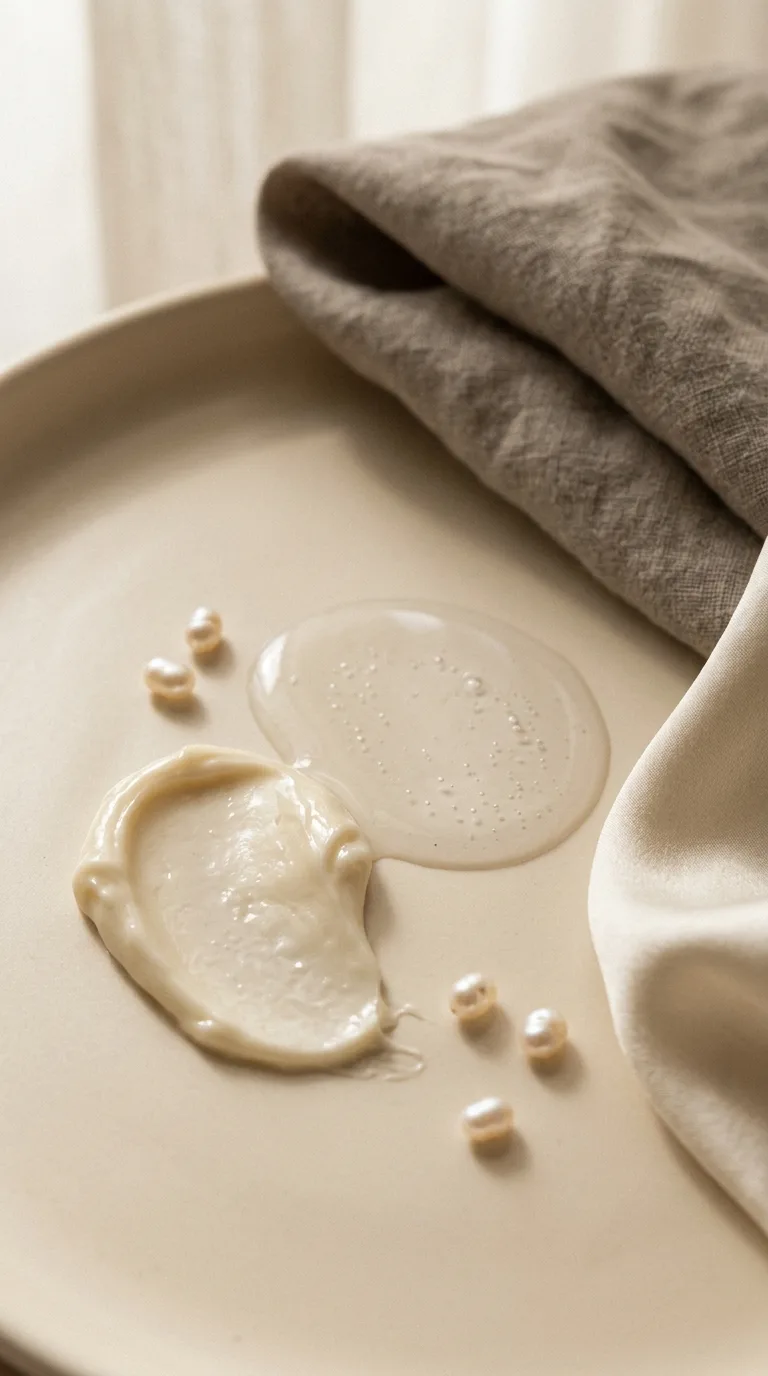
Recovery is pacing — not a promise to fix what skin was never broken to begin with.
Comfort as orientation
The recovery pathway addresses how skin feels: tight, dull, in need of cushion. FIONÉE formulates for comfort-led care — creams that envelop without heaviness, masks that mark a restorative pause, essences that prepare a receptive surface. The language is cosmetic and experiential, never clinical. Comfort is not soft marketing; it is an orientation for choosing texture when the day has already asked enough. A cream that settles without arguing with the hand, a mask that stays while attention moves elsewhere, an essence that cools without spectacle — these are the materials of recovery as the house understands it. They do not announce rescue. They offer a calmer finish.
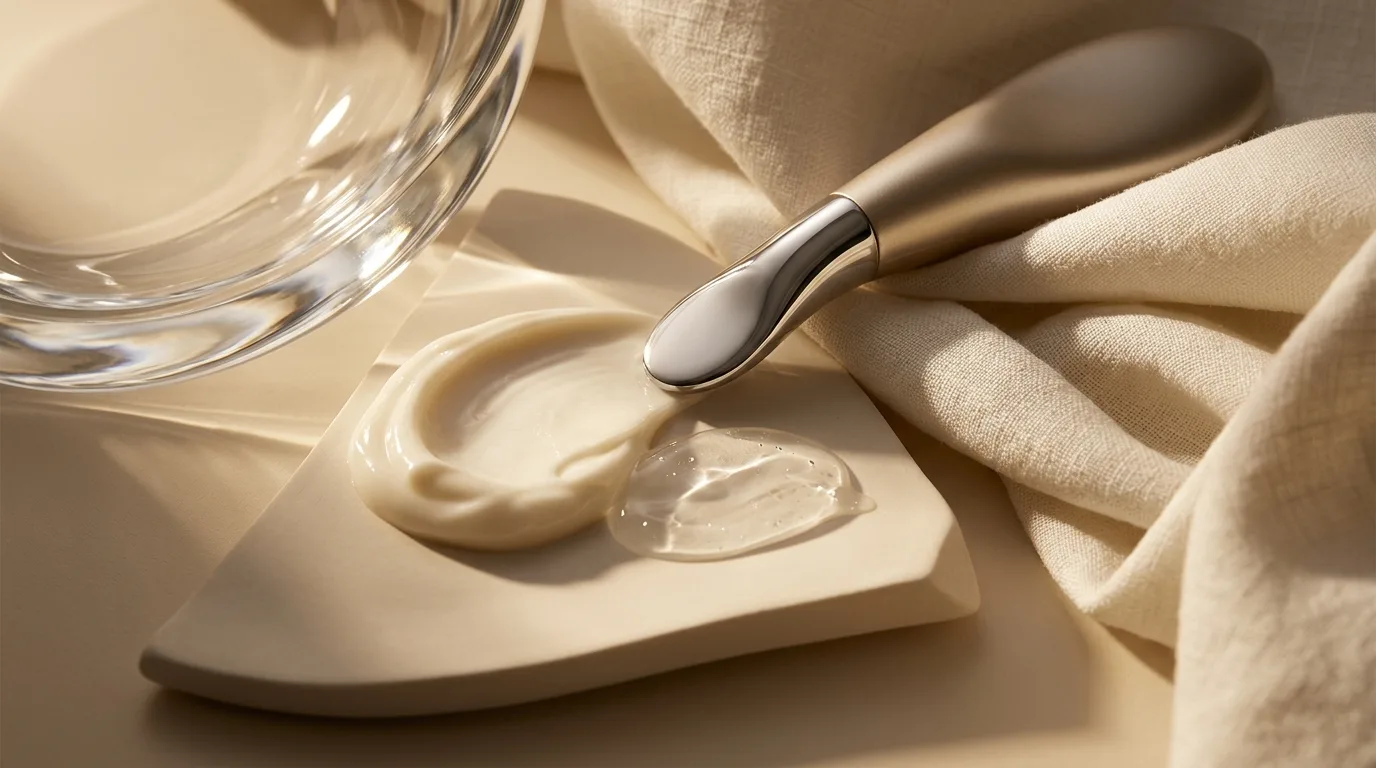
Recovery as atmosphere — quiet light, slower pacing and comforting texture.
Barrier-conscious, not barrier-fixing
Barrier-conscious care means respecting the skin's surface — avoiding harsh stripping, favouring replenishing textures, allowing time between active steps. FIONÉE does not claim to repair a damaged barrier or treat inflammation. The editorial frame is gentleness: hydration, comfort and the appearance of skin that feels supported. The distinction matters. Repair language borrows a clinic’s gravity; conscious language stays with how a ritual behaves. Fewer acids stacked for drama. More patience between layers. A finish that feels held rather than corrected. When the house says barrier-conscious, it means the sequence will not treat the surface as an obstacle to be overcome.
Gentleness is not the absence of intention. It is intention without aggression.
Ritual pacing
A recovery ritual favours fewer steps, slower application, and textures that reward patience. Evening is its natural home: cleanse gently, apply a replenishing essence, seal with a cream or mask. The sequence is not prescriptive — it is an invitation to listen to what skin seems to need that day. Pacing is the craft. Rushing a comforting cream into the same tempo as a morning essence misses the point. Recovery asks for strokes that stay, for a pause long enough to feel the cushion settle, for the discipline to stop before adding a fourth texture simply because the shelf offers one. The Ritual Composer may suggest a pairing; the tempo remains personal.
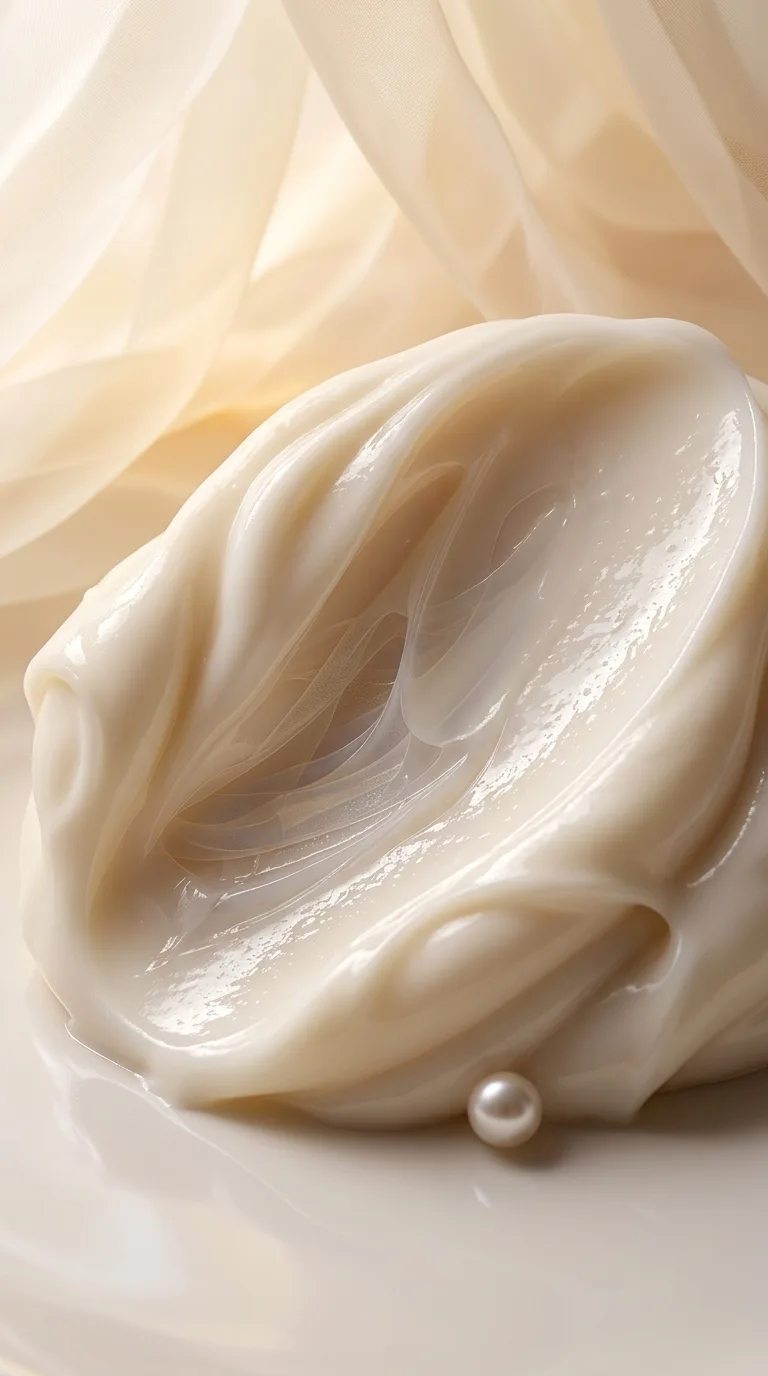
The recovery atmosphere within AURÉLIS — warmth, cushion and quiet finish.
Season and travel
Recovery rituals often find their occasion in transition — dry cabin air, cold weather, the accumulated fatigue of a demanding week. FIONÉE does not diagnose these moments; it offers textures suited to them. A mask on a Sunday evening, a richer cream during winter travel, an essence applied with deliberate slowness when skin feels tight. Recovery is responsive, not reactive. The distinction is editorial as much as practical: reactive care arrives as panic; responsive care arrives as a known register you already trust. Keeping a recovery texture within reach — jar, sachet, essence — is less about preparedness for crisis than about refusing to treat comfort as exceptional.
What recovery does not claim
The house keeps a clear ceiling. Recovery does not treat dermatitis, does not heal a compromised barrier in the medical sense, does not promise to reverse sensitivity or rewrite the skin’s biology. It does not borrow the vocabulary of repair protocols or emergency dermatology. What it offers is appearance and feel: a surface that looks less depleted, that feels cushioned, that accepts the next day’s radiance or clarity ritual without strain. That ceiling is not a limitation of ambition. It is the integrity of a cosmetic maison that prefers understatement to borrowed authority.
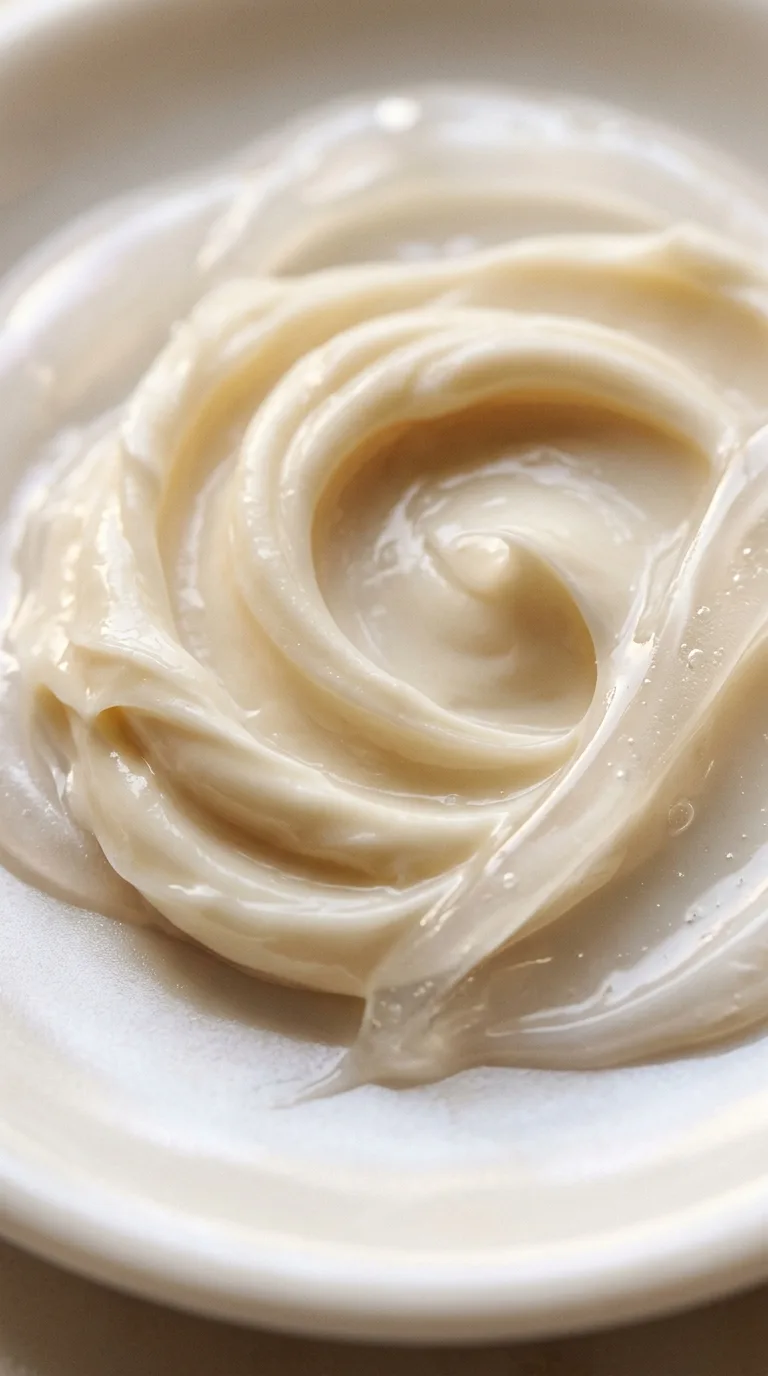
Recovery as concern climate — soft light and the editorial quiet of replenishment.
Pairing with radiance and clarity
Recovery does not exclude other concerns. A replenished surface may be the best preparation for radiance the following morning; clarity rituals may follow recovery when skin feels calm and receptive. The four pathways interleave — editorial orientation, not sequential prescription. The Ritual Composer reflects this fluidity. One evening may close with cushion; the next may open with a pearlescent serum once the surface feels ready. Firmness textures may sit beside recovery creams without forcing a hierarchy. The intelligence is in refusing to treat concerns as competing programmes. They are rooms in the same house — entered according to feel, season and the honesty of the moment.
Replenishment as daily practice
Recovery need not wait for crisis. Daily replenishment — a comfortable cream in the morning, a mask once or twice weekly — keeps the recovery pathway alive as a preventive rhythm rather than an emergency response. This is skincare as sustained attention, not episodic rescue. The house prefers continuity: the same cream returned to because it still feels right, not because a schedule demands escalation. Weekly masks become punctuation, not theatre. Morning cushion can be light; evening cushion can stay longer. What matters is that replenishment remains ordinary — woven into the week so thoroughly that comfort never has to announce itself as a special event.
The hand, the pause, the finish
Technique within recovery is deliberately modest. Warm a cream between the palms. Press rather than drag when the surface feels tight. Leave a mask the length of a short chapter, not an hour of anxiety. Stop when the finish feels complete — neither sticky nor stripped. FIONÉE will not turn these gestures into choreography. They exist to restore attention to the body of the ritual: the hand as the first critic, the pause as part of the formula, the finish as the quiet verdict. If a texture asks for correction with a second product, it has already failed the recovery register.
The house around the cream
Recovery has a room in Maison: slower light, fewer objects, a climate that does not rush the hand. The formula is only half the ritual. The other half is permission to apply it as if the evening were allowed to be short and complete. FIONÉE will not turn comfort into a programme. It will keep offering textures that make that permission feel natural. A jar that belongs beside a lamp rather than a checklist. A mask that does not require an audience. An evening that can end without a sequel of optimisation. Prestige, here, is the feeling that replenishment was designed to be lived — not demonstrated.